
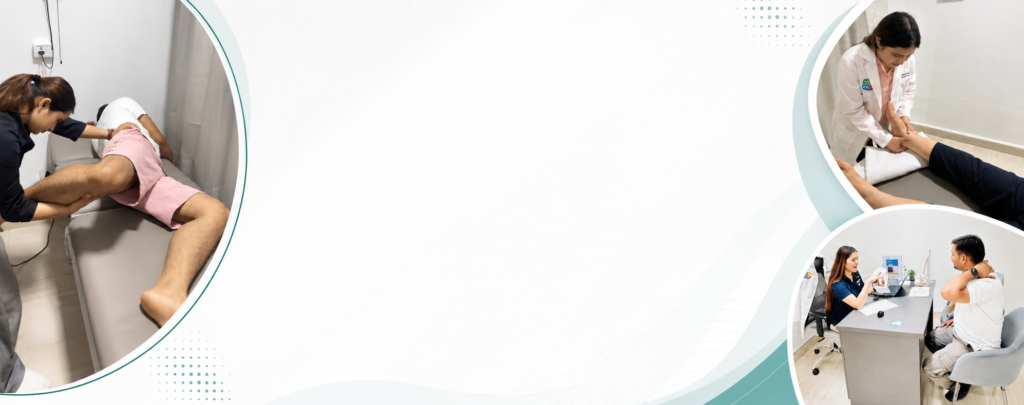


Finding the best physiotherapist in Delhi is an important step toward effective pain management, rehabilitation, and long-term recovery. Whether you are dealing with back pain, knee pain, a sports injury, a neurological condition, pregnancy-related discomfort, or recovering after surgery, choosing the right physiotherapy clinic can make a meaningful difference in your recovery journey.
With many options available, it can be difficult to know which physiotherapist in Delhi or physiotherapy clinic in Delhi is right for you. The ideal clinic should provide an individualised assessment, evidence-based treatment, appropriate rehabilitation exercises, and ongoing support according to your specific condition and goals.
What Is Physiotherapy?
Physiotherapy is a healthcare approach focused on improving movement, strength, flexibility, balance, function, and quality of life. A physiotherapist assesses your condition and develops a treatment plan based on your symptoms, physical limitations, lifestyle, and recovery goals.
Physiotherapy in Delhi can help people manage a wide range of musculoskeletal, neurological, sports-related, and women’s health conditions. Treatment may include exercise therapy, manual therapy, movement retraining, rehabilitation, dry needling, Pilates-based exercises, and other clinically appropriate techniques.
How to Choose the Best Physiotherapist in Delhi
1. Check the Physiotherapist’s Experience
One of the first things to consider is whether the physiotherapist has experience treating your specific condition.
For example, someone looking for back pain treatment in Delhi may require a different approach from someone undergoing stroke rehabilitation in Delhi. Similarly, sports injuries, pregnancy-related conditions, neurological disorders, and post-surgery rehabilitation require different assessment and treatment strategies.
Ask whether the physiotherapist regularly treats conditions such as:
- Back pain and sciatica
- Neck and shoulder pain
- Knee pain and arthritis
- Frozen shoulder
- Sports injuries
- Post-surgery rehabilitation
- Neurological conditions
- Women’s health conditions
- Pediatric conditions
Choosing a professional with relevant clinical experience can help ensure that your rehabilitation programme is appropriate for your condition.
2. Look for a Comprehensive Physiotherapy Clinic
A good physiotherapy clinic in Delhi should be equipped to manage different stages of recovery rather than focusing only on short-term pain relief.
A comprehensive rehabilitation center in Delhi may provide services including:
- Manual therapy
- Therapeutic exercise
- Dry needling therapy
- Neurological rehabilitation
- Sports rehabilitation
- Post-surgery physiotherapy
- Balance and mobility training
- Clinical Pilates
- Reformer Pilates
- Women’s health physiotherapy
- Pediatric physiotherapy
- Home physiotherapy
A broader range of services can be useful when your treatment needs change during recovery.
3. Make Sure Treatment Is Individualised
Every patient is different. Two people with back pain may have completely different causes, movement patterns, physical limitations, and recovery goals.
The best physiotherapy in Delhi should begin with a proper assessment rather than applying the same treatment to every patient.
Your physiotherapist may assess:
- Posture and movement
- Muscle strength
- Joint mobility
- Balance
- Flexibility
- Pain patterns
- Functional limitations
- Previous injuries or surgeries
- Lifestyle and activity levels
Based on this assessment, your physiotherapist can create an individualised rehabilitation programme.
4. Consider the Clinic’s Range of Specialisations
A physiotherapy clinic should have appropriate expertise for the condition you are seeking treatment for.
Orthopaedic and Musculoskeletal Physiotherapy
If you are experiencing back, neck, shoulder, or knee problems, you may benefit from specialised musculoskeletal physiotherapy.
Common treatments include:
- Back pain physiotherapy
- Neck pain physiotherapy
- Slip disc physiotherapy
- Sciatica treatment
- Frozen shoulder physiotherapy
- Shoulder pain physiotherapy
- Knee pain physiotherapy
- Arthritis physiotherapy
If you are specifically searching for the best physiotherapy for back pain in Delhi, look for a clinic that assesses the underlying movement and functional factors rather than focusing only on temporary pain relief.
Neurological Physiotherapy
Neurological rehabilitation requires specialised assessment and treatment. Neuro physiotherapy in Delhi may benefit individuals recovering from or living with neurological conditions.
Depending on individual needs, rehabilitation may include:
- Stroke physiotherapy in Delhi
- Stroke rehabilitation
- Parkinson’s physiotherapy
- Multiple sclerosis rehabilitation
- Guillain–Barré Syndrome rehabilitation
- Bell’s palsy physiotherapy
- Facial palsy rehabilitation
- Balance training
- Vestibular rehabilitation
Patients searching for best stroke physiotherapy in Delhi or best Parkinson’s physiotherapy in Delhi should consider the physiotherapist’s experience in neurological rehabilitation and functional recovery.
Sports Injury Physiotherapy
Sports injuries can affect athletes, gym-goers, runners, and active individuals. Sports injury physiotherapy in Delhi focuses on restoring strength, mobility, coordination, and confidence so that you can safely return to your activity.
A sports rehabilitation programme may include strengthening, mobility work, balance exercises, movement retraining, and sport-specific rehabilitation.
5. Check Women’s Health Physiotherapy Services
Women’s health physiotherapy addresses physical changes and conditions associated with pregnancy, childbirth, and pelvic health.
A specialised women’s health physiotherapist in Delhi may provide support for:
- Prenatal physiotherapy
- Postnatal physiotherapy
- Pelvic floor physiotherapy
- Urinary incontinence physiotherapy
- Diastasis recti treatment
- Pregnancy-related back pain
- Postpartum rehabilitation
- Clinical Pilates during pregnancy
Women experiencing pelvic floor or postnatal concerns should look for a physiotherapist with relevant training and experience in women’s health rehabilitation.
6. Explore Pilates-Based Rehabilitation
Pilates can be incorporated into rehabilitation programmes when clinically appropriate.
Clinical Pilates in Delhi may focus on improving core control, posture, mobility, strength, and movement awareness.
Depending on the individual’s needs, options may include:
- Clinical Pilates
- Reformer Pilates
- Pilates classes
- Pilates for back pain
However, Pilates should be selected according to your condition and physical capacity. A physiotherapist can determine whether Pilates is suitable and modify exercises accordingly.
7. Ask About Advanced Treatment Techniques
Some physiotherapy clinics use techniques such as dry needling therapy in Delhi alongside exercise and other rehabilitation methods.
Dry needling may be considered as part of a broader treatment plan for selected musculoskeletal conditions. It should be performed by an appropriately trained professional after assessing whether the technique is suitable for you.
Manual therapy may also be incorporated into treatment where appropriate.
8. Consider Home Physiotherapy
Some patients may find it difficult to travel to a clinic because of mobility limitations, age, post-surgical restrictions, or other practical concerns.
In these situations, home physiotherapy in Delhi can provide treatment in a familiar environment. A physiotherapist home visit in Delhi may be particularly useful for patients requiring mobility training, post-surgery rehabilitation, neurological rehabilitation, or assistance with functional activities.
9. Look at the Approach to Rehabilitation
Good physiotherapy is not always about reducing pain during a single session. Long-term rehabilitation often involves improving strength, mobility, movement quality, confidence, and functional independence.
Ask whether the clinic provides:
- A personalised treatment plan
- Home exercises
- Progress assessments
- Functional rehabilitation
- Education about your condition
- Guidance for returning to normal activities
- Adjustments to treatment as you improve
A structured approach can help you understand your recovery and actively participate in the process.
10. Choose a Clinic That Is Convenient for Regular Treatment
Physiotherapy often requires consistency. If your clinic is difficult to reach, attending regular sessions may become challenging.
When choosing a physiotherapist in Delhi, consider:
- Clinic location
- Appointment availability
- Treatment timings
- Home visit options
- Accessibility
- Follow-up process
For patients in South Delhi, The Physio Co Plus is located at D-10, Nangal Dewat, Sector D, Vasant Kunj, New Delhi, Delhi 110070, making it a convenient option for those seeking physiotherapy services in and around Vasant Kunj.
When Should You See a Physiotherapist?
You may consider consulting a physiotherapist if pain, stiffness, weakness, balance problems, or movement limitations are affecting your daily activities.
Common reasons people seek physiotherapy include:
- Persistent back or neck pain
- Knee pain
- Sports injuries
- Frozen shoulder
- Arthritis
- Sciatica
- Recovery after surgery
- Reduced mobility
- Balance problems
- Stroke recovery
- Parkinson’s disease
- Neurological conditions
- Pregnancy-related musculoskeletal problems
- Postpartum rehabilitation
If symptoms are severe, sudden, worsening, or associated with other concerning symptoms, seek appropriate medical evaluation rather than relying solely on physiotherapy.
What to Expect During Your First Physiotherapy Appointment
During your first physiotherapy appointment in Delhi, the physiotherapist will generally discuss your symptoms, medical history, lifestyle, activity levels, and treatment goals.
A physical assessment may then evaluate movement, strength, flexibility, balance, posture, and functional ability.
Your physiotherapist can use this information to develop a personalised treatment and rehabilitation programme.
The treatment plan may change over time as your symptoms and physical abilities improve.
Why Choosing the Right Physiotherapy Clinic Matters
The right physiotherapy clinic should make you feel informed, supported, and actively involved in your recovery.
Whether you need back pain treatment in Delhi, knee pain physiotherapy in Delhi, neurological rehabilitation, sports rehabilitation, women’s health physiotherapy, post-surgery care, or home-based treatment, focus on the physiotherapist’s relevant expertise, assessment process, treatment approach, and rehabilitation plan.
Choose The Physio Co Plus for Personalised Physiotherapy in Delhi
If you are looking for a physiotherapist in Delhi, The Physio Co Plus can be considered for personalised physiotherapy and rehabilitation based on your individual needs.
From musculoskeletal conditions such as back pain, neck pain, knee pain, frozen shoulder, arthritis, and sciatica to neurological rehabilitation, sports injuries, women’s health, Pilates, dry needling, and post-surgery rehabilitation, the right treatment approach should always be based on an individual assessment.
Located at D-10, Nangal Dewat, Sector D, Vasant Kunj, New Delhi, Delhi 110070, The Physio Co Plus provides a convenient location for patients seeking physiotherapy and rehabilitation services in Vasant Kunj and across Delhi.
For patients searching for the best physiotherapist in Delhi, the most important step is to choose a qualified professional who understands your condition and can guide you through a structured rehabilitation programme.
Book a physiotherapy appointment with The Physio Co Plus and take the next step towards better movement, strength, and functional recovery.